What is transaction fraud detection?
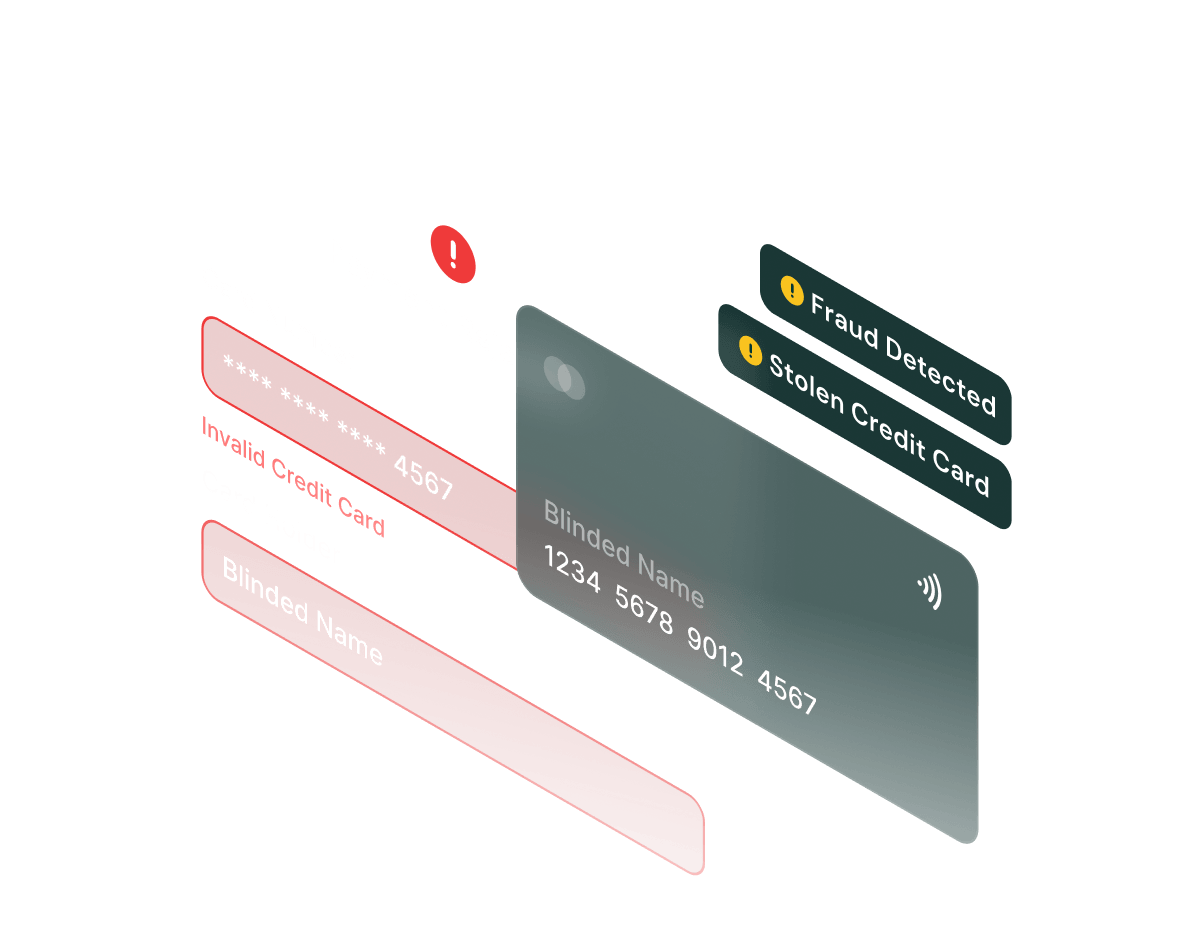
Transaction fraud detection identifies activity that may indicate a
fraudulent or unauthorized digital transaction. It can help surface
stolen-card use, card testing, patterns associated with friendly
fraud, and card-not-present fraud by evaluating session, device,
behavioral, and customer-provided transaction signals.
How are fraudulent transactions detected?
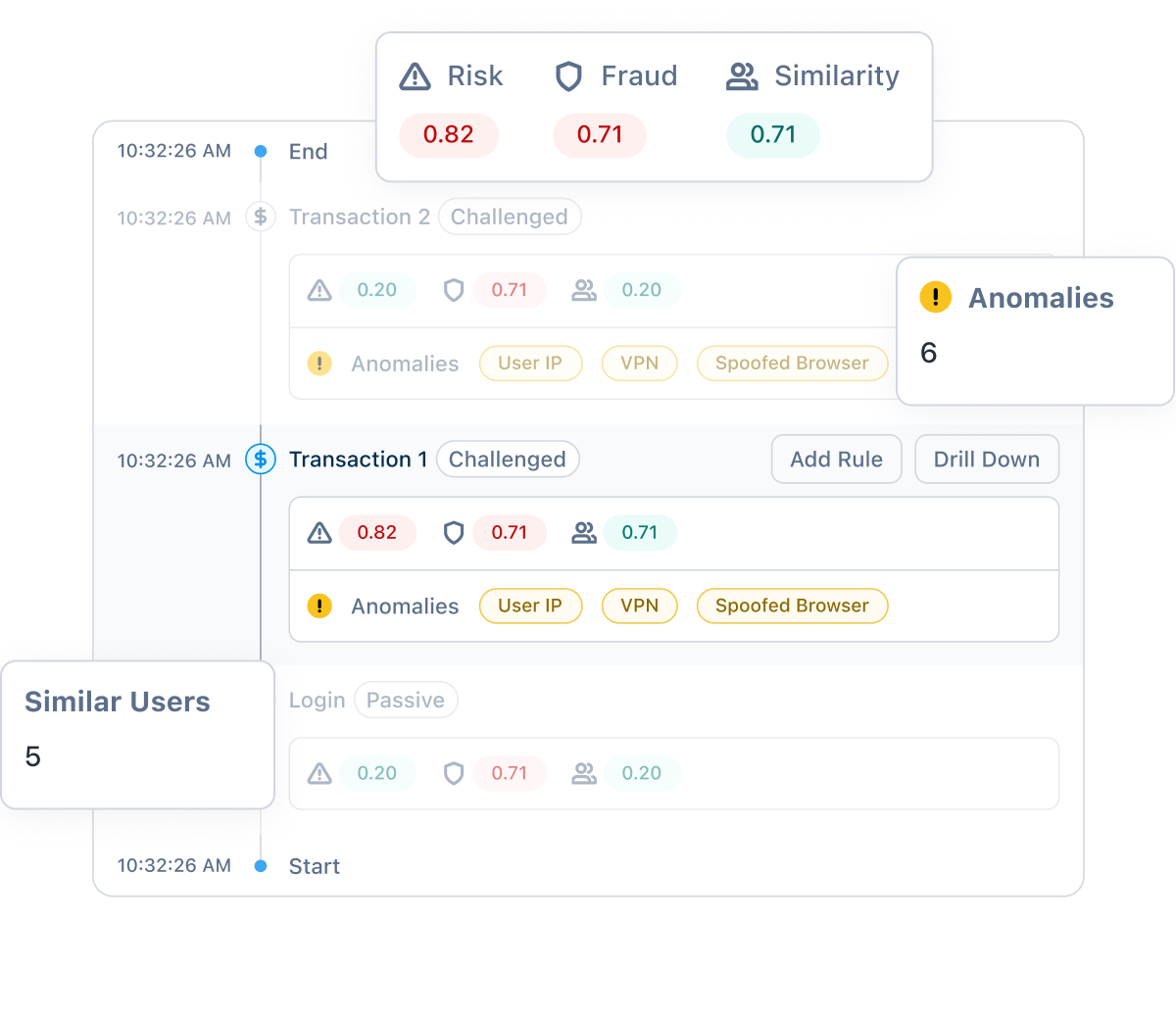
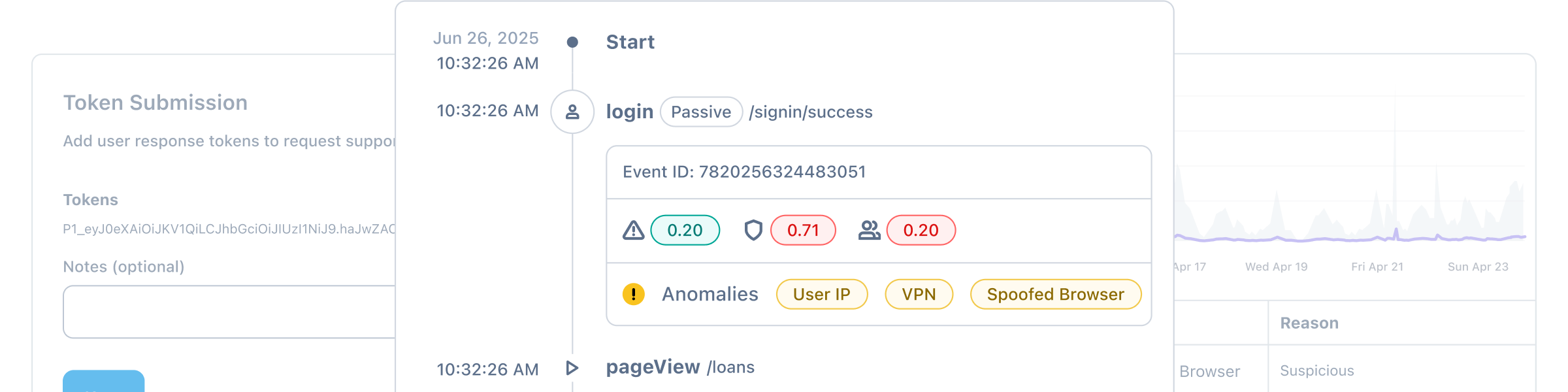
Transaction fraud detection combines risk scoring with signals from
the customer journey. Card testing bursts, device or location
mismatches, and repeated authorization failures can increase risk when
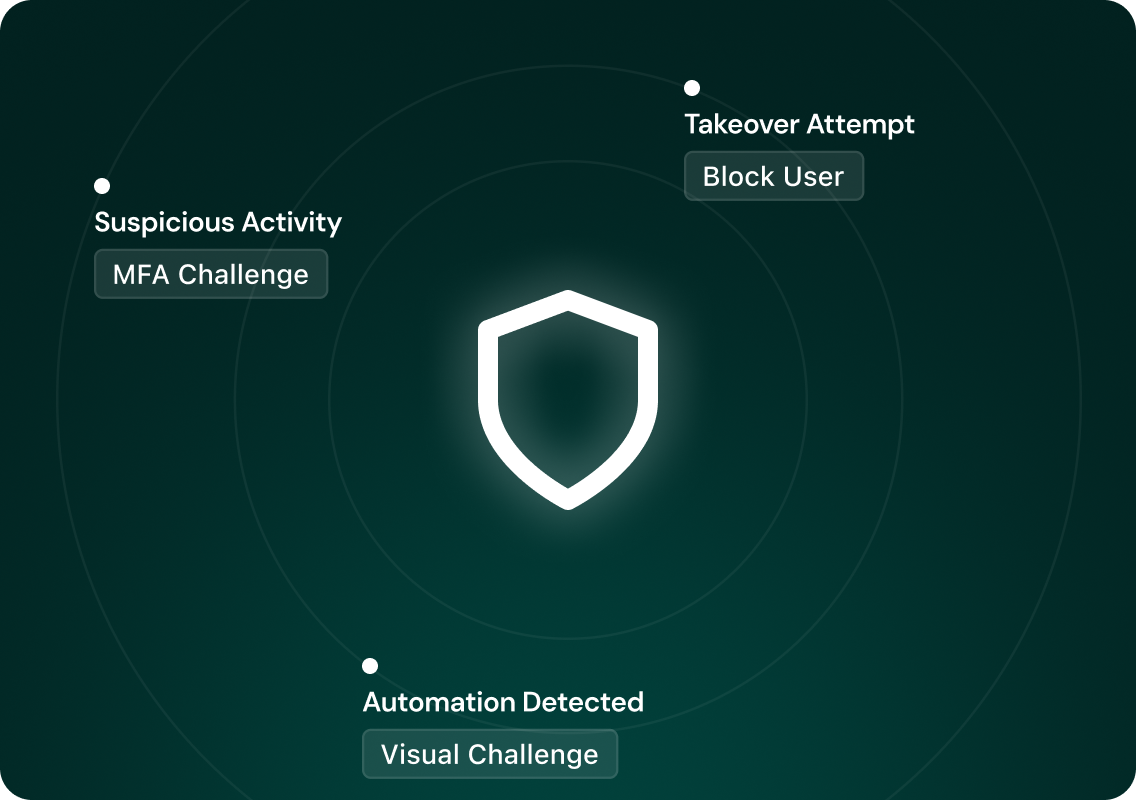
those signals are available. Customer-defined rules can then allow,
challenge, rate-limit, or block an action according to business
policy.
What are the red flags of transaction fraud?
Red flags can include bursts of small test purchases, repeated failed
card attempts, mismatched billing and shipping details, and a device
or location that differs from the account's usual activity. A single
signal does not prove fraud. Risk increases when several signals
appear together or develop across the same user journey.
What is the difference between fraud detection and fraud prevention?
Fraud detection identifies activity that may be fraudulent by
analyzing signals and assigning risk. Fraud prevention uses those
findings to allow, challenge, rate-limit, review, or block an action.
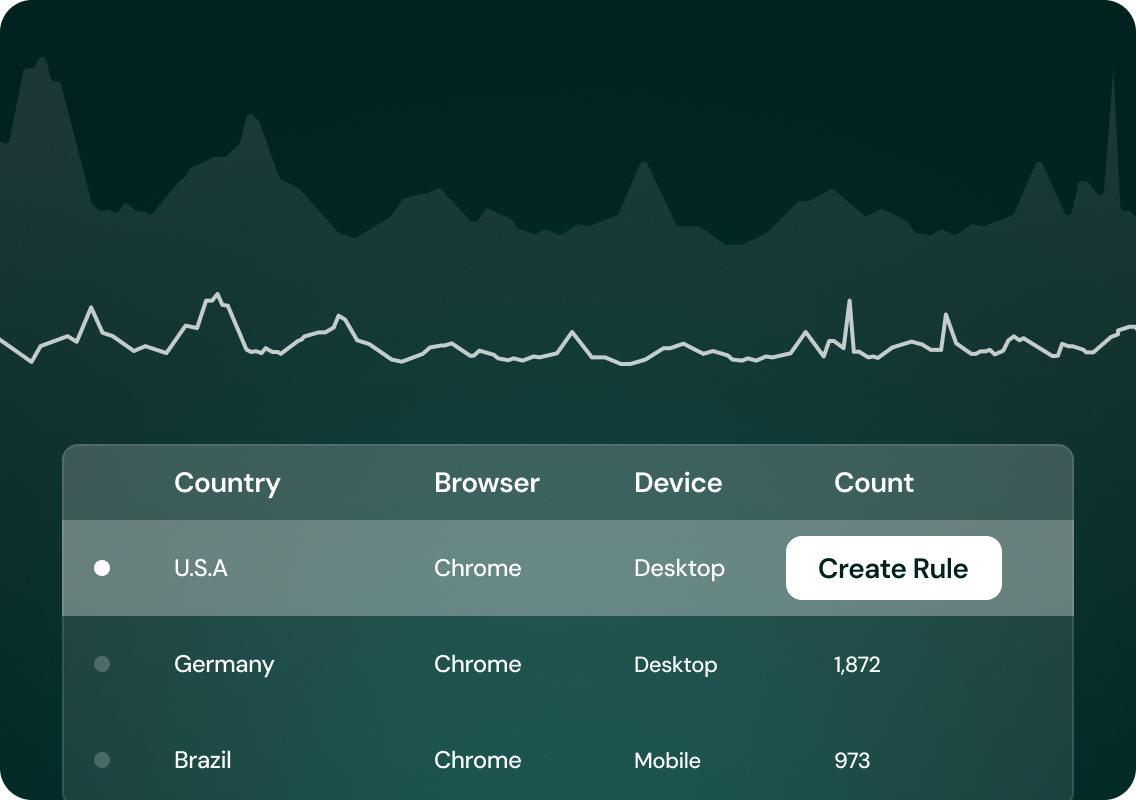
hCaptcha Enterprise connects detection with configurable responses
through the
Rules Engine.
What is an unusually high chargeback rate?
An unusually high chargeback rate exceeds the expected range for a
merchant's industry, transaction volume, or payment-network
requirements. Card-network monitoring programs use ratios, minimum
counts, regional rules, and thresholds that can change. Merchants
should confirm current requirements with their acquirer or payment
processor.
How does hCaptcha Enterprise detect transaction fraud without PII?
hCaptcha Enterprise supports
Zero PII deployments
that analyze behavioral, device, network, session, and
customer-provided transaction signals without sending hCaptcha raw
personal identifiers. Customers control the data they send and can
pre-blind fields before they reach hCaptcha.